31 of My Favorite Beauty Reads for Makeup & Skincare are curated resources that can help demystify the world of beauty. Understanding your skin and how makeup works isn’t just about aesthetics; it’s about informed choices that support your skin’s health and well-being every day. Whether you’re just starting your beauty journey or are a seasoned enthusiast looking for new insights, these recommendations are for you. This article delves into a diverse range of titles, from foundational skincare science to creative makeup techniques and product reviews. We’ll explore guides that empower you to make confident decisions about what you apply to your skin and how you express yourself. Think of these as helpful companions in your personal care routine.
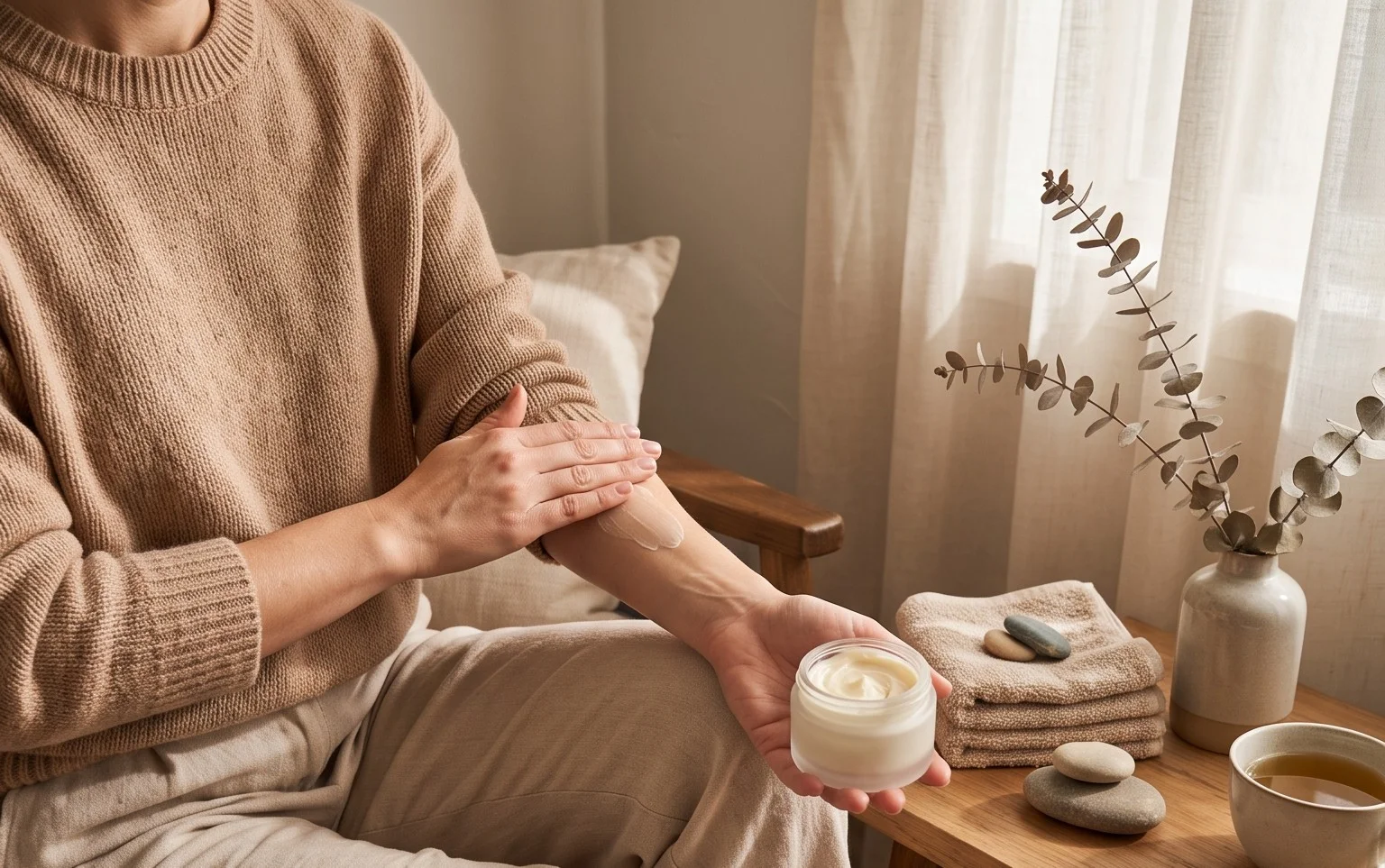
31 of My Favorite Beauty Reads for Makeup & Skincare
Embarking on a journey to understand and enhance our skin and makeup routines can be both exciting and overwhelming. With the vast amount of information available, it’s easy to get lost in trends and conflicting advice. This article aims to provide a curated selection of insights drawn from reputable health and wellness principles, offering clarity and actionable steps for a healthier, more radiant you. We’ll explore key aspects of skincare and makeup, debunk common misconceptions, and highlight when professional guidance is essential.
Understanding Your Skin: The Foundation of Beauty
Before diving into specific products or techniques, it’s crucial to understand what’s happening beneath the surface. Your skin is your body’s largest organ, acting as a barrier against the environment. Its health is intrinsically linked to your overall well-being.
What is Skincare?
Skincare, in its simplest terms, refers to the practices and products used to maintain the health and appearance of your skin. This encompasses cleansing, moisturizing, protecting, and treating various skin concerns. The goal is to promote a healthy skin barrier, which is vital for preventing irritation, dehydration, and the entry of harmful substances.
Common Signs or Factors Affecting Skin Health
Numerous factors can influence your skin’s condition. Recognizing these signs can help you tailor your approach.
* **Dryness and Dehydration:** Skin that feels tight, flaky, or rough, often accompanied by a dull appearance. This can be due to environmental factors, genetics, or an impaired skin barrier.
* **Oiliness and Breakouts:** Excess sebum production leading to a shiny complexion, clogged pores, and acne. Hormonal fluctuations, diet, and stress can contribute.
* **Sensitivity and Redness:** Skin that reacts easily to products or environmental triggers, often appearing red, irritated, or itchy. This can be a sign of a compromised skin barrier or underlying sensitivities.
* **Signs of Aging:** The natural development of fine lines, wrinkles, loss of firmness, and uneven skin tone over time. Sun exposure is a significant accelerator of these changes.
* **Environmental Exposure:** Pollution, UV radiation, and extreme weather conditions can all take a toll on skin health, leading to premature aging and damage.
* **Lifestyle Factors:** Diet, sleep, stress levels, and hydration all play a significant role in how your skin looks and feels.
General Guidance on Skincare Principles
Health authorities generally emphasize a holistic approach to skincare, focusing on fundamental principles that support skin health.
* **Gentle Cleansing:** Using mild cleansers that remove impurities without stripping the skin of its natural oils is paramount.
* **Moisturization:** Replenishing and maintaining the skin’s hydration is crucial for a healthy barrier function.
* **Sun Protection:** Daily application of broad-spectrum sunscreen is considered the most effective way to prevent sun damage and premature aging.
* **Balanced Diet and Hydration:** Consuming a nutrient-rich diet and staying adequately hydrated supports skin from within.
Practical Everyday Habits for Healthier Skin
You don’t need a complex routine to achieve healthier skin. Simple, consistent habits can make a significant difference.
* **Cleanse gently:** Wash your face twice daily with a mild, pH-balanced cleanser. Avoid harsh scrubbing.
* **Moisturize consistently:** Apply a moisturizer suitable for your skin type after cleansing to lock in hydration.
* **Protect from the sun:** Use a broad-spectrum SPF 30 or higher sunscreen every day, even on cloudy days. Reapply as needed, especially after sweating or swimming.
* **Stay hydrated:** Drink plenty of water throughout the day.
* **Eat a balanced diet:** Incorporate fruits, vegetables, and whole grains rich in antioxidants and healthy fats.
* **Get enough sleep:** Aim for 7-9 hours of quality sleep per night to allow your skin to repair and regenerate.
* **Manage stress:** Practice stress-reducing techniques such as meditation, yoga, or deep breathing exercises.
* **Avoid touching your face:** This can transfer bacteria and oil, leading to breakouts.
What the Evidence Supports and Does Not Support
The scientific community supports the efficacy of core skincare practices.
* **Supported by Evidence:** The benefits of sunscreen in preventing skin cancer and photoaging are well-established. Gentle cleansing and moisturization are recognized for maintaining skin barrier function and preventing dryness. A healthy diet and adequate hydration are also linked to improved skin health.
* **Areas Requiring More Research or Nuance:** While many “miracle” ingredients are marketed, the long-term efficacy and universality of their benefits can vary greatly. The impact of specific dietary components on individual skin conditions is an ongoing area of research, and generalizations should be made with caution. The idea that certain products can “reverse” aging entirely is often an overstatement; rather, they can help manage the signs of aging.
Common Skincare Myths Worth Correcting
Dispelling common myths can lead to more effective and less frustrating skincare practices.
* **Myth:** Oily skin doesn’t need moisturizer.
* **Correction:** Even oily skin needs hydration. Skipping moisturizer can cause the skin to overcompensate by producing even more oil. Choose oil-free, non-comedogenic moisturizers.
* **Myth:** You only need sunscreen when it’s sunny.
* **Correction:** UV rays penetrate clouds and glass. Daily sunscreen use is essential year-round to protect against premature aging and skin cancer.
* **Myth:** Harsh scrubbing exfoliates better.
* **Correction:** Over-exfoliation can damage the skin barrier, leading to irritation and sensitivity. Gentle exfoliation, either chemical or physical, used appropriately is more beneficial.
* **Myth:** Expensive products are always better.
* **Correction:** While some premium ingredients and formulations can be beneficial, effective skincare can be achieved with a wide range of products. Focus on ingredients that suit your skin type and concerns, regardless of price.
* **Myth:** You can “pore-refine” or “shrink” pores.
* **Correction:** Pore size is largely determined by genetics. While certain ingredients and treatments can help to minimize their appearance by keeping them clear, pores cannot be permanently shrunk.
Makeup: Enhancing Your Natural Beauty
Makeup is a wonderful tool for self-expression and can be used to enhance your natural features. However, understanding how makeup interacts with your skin is key to both its application and removal.
What is Makeup?
Makeup refers to cosmetic products applied to the face to improve or alter its appearance. This includes items like foundation, concealer, blush, eyeshadow, lipstick, and mascara, designed to add color, conceal imperfections, and highlight features.
Common Factors Affecting Makeup Wear and Skin Compatibility
Several factors influence how makeup sits on your skin and whether it causes any issues.
* **Skin Type:** Oily, dry, combination, or sensitive skin will interact differently with various makeup formulas.
* **Ingredient Sensitivity:** Some individuals may be sensitive or allergic to specific ingredients commonly found in makeup.
* **Application Technique:** How makeup is applied can affect its longevity and the overall finish.
* **Environmental Factors:** Heat, humidity, and friction can all contribute to makeup fading or creasing.
* **Skin Preparation:** The condition of your skin before application significantly impacts how makeup looks and wears.
General Guidance on Makeup and Skin Health
Health-focused approaches to makeup emphasize safe practices and mindful product selection.
* **Non-Comedogenic Products:** Opting for makeup labeled “non-comedogenic” can help prevent clogged pores, especially if you are prone to acne.
* **Proper Removal:** Thoroughly removing all makeup at the end of the day is crucial to prevent pore blockage and skin irritation.
* **Sanitary Practices:** Keeping makeup brushes and applicators clean is essential to prevent the spread of bacteria.
* **Ingredient Awareness:** Being mindful of ingredients, especially if you have known sensitivities or allergies, is important.
Practical Everyday Habits for Makeup Use
Incorporating these habits can ensure your makeup routine is both beautiful and skin-friendly.
* **Prep your skin:** Start with a clean, moisturized face. A primer can create a smooth canvas and help makeup last longer.
* **Choose the right formula:** Select foundations, concealers, and powders that match your skin type. For example, matte formulas might be better for oily skin, while hydrating formulas suit dry skin.
* **Apply with clean tools:** Use clean brushes, sponges, or your fingertips to apply makeup. Wash your brushes regularly with mild soap and water.
* **Remove thoroughly:** Use a dedicated makeup remover, followed by your regular cleanser, to ensure all traces of makeup are gone before bed.
* **Don’t share makeup:** Avoid sharing eye and lip products to prevent the spread of infections.
* **Check expiration dates:** Makeup can harbor bacteria over time. Pay attention to expiration dates to avoid using old products.
* **Patch test new products:** If you have sensitive skin, test a new makeup product on a small, inconspicuous area before applying it to your entire face.
What the Evidence Supports and Does Not Support
The evidence leans towards the importance of makeup hygiene and ingredient safety.
* **Supported by Evidence:** Thorough makeup removal is scientifically recognized as vital for preventing breakouts and skin irritation. The use of non-comedogenic products is supported for individuals prone to acne. Regular cleaning of makeup tools is a well-accepted practice for hygiene.
* **Areas Requiring More Nuance:** The notion that all makeup clogs pores is a generalization. Many modern formulations are designed to be lightweight and breathable. The claim that certain makeup can “treat” skin conditions beyond providing coverage is often marketing-driven; while some makeup may contain beneficial skincare ingredients, their primary function is cosmetic.
Common Makeup Myths Worth Correcting
Clarifying these misconceptions can help you make informed choices about your makeup.
* **Myth:** All makeup causes acne.
* **Correction:** Many makeup products, particularly those labeled “non-comedogenic” and formulated for sensitive skin, do not cause acne. It’s more about the specific ingredients and how well you cleanse your skin.
* **Myth:** Heavy makeup ages your skin.
* **Correction:** The weight of makeup itself is not the primary aging factor. It’s more about the ingredients within the makeup and, more importantly, the lack of proper skincare and sun protection. Makeup can sometimes emphasize existing lines if not applied correctly or if the skin is dehydrated.
* **Myth:** You should stop wearing makeup if you have acne.
* **Correction:** With the right products and techniques, you can wear makeup even with acne. Focus on non-comedogenic formulas, light coverage, and ensuring thorough cleansing afterwards.
* **Myth:** Makeup seals in dirt and oil.
* **Correction:** While makeup sits on the surface of the skin, it doesn’t inherently “seal in” dirt or oil. The issue arises from not cleansing properly at the end of the day, allowing oil, dirt, and makeup residue to accumulate.
When to Seek Professional Guidance
While self-care and informed choices can significantly improve your skin and makeup experience, there are times when professional input is invaluable.
Clear Signs That Mean You Should Speak to a Qualified Professional
Your skin can be an indicator of your overall health. Certain changes warrant a consultation.
* **Persistent or Severe Acne:** If over-the-counter treatments are not effective, or if you have deep, painful cysts, a dermatologist can offer prescription treatments.
* **Sudden or Unusual Skin Changes:** New moles, changes in existing moles, persistent rashes, or sores that don’t heal should be evaluated by a healthcare professional.
* **Allergic Reactions or Severe Irritation:** If you experience severe redness, itching, swelling, or burning after using a product, it’s important to consult a doctor or dermatologist.
* **Concerns About Premature Aging:** If you are concerned about significant wrinkles, sunspots, or loss of elasticity, a dermatologist can recommend appropriate treatments and preventative measures.
* **Skin Conditions Like Eczema or Psoriasis:** These chronic conditions require professional diagnosis and management plans.
* **Changes in Skin Texture or Color:** Any significant, unexplained changes in your skin’s texture, tone, or appearance should be checked by a medical professional.
* **Questions About Specific Ingredients or Treatments:** If you are unsure about how certain ingredients might affect your skin or which treatments are best for your concerns, a qualified professional can provide personalized advice.
### Consulting a Qualified Healthcare Professional
It is always advisable to consult a qualified dermatologist or healthcare provider for personalized advice regarding your skin and makeup concerns. They can accurately diagnose any conditions, recommend appropriate treatments, and guide you on the best skincare and makeup practices for your individual needs and skin type. This is especially important if you have persistent skin issues, allergies, or concerns about your skin’s health.

Conclusion
Embarking on a journey of enhanced beauty and well-being is a deeply personal and rewarding experience. The beauty reads we’ve explored offer a wealth of practical takeaways, from understanding your skin’s unique needs to embracing mindful makeup application. Remember, the most impactful changes are often the smallest and most sustainable. Instead of overwhelming yourself with drastic overhauls, focus on incorporating one or two new habits that resonate with you. Please keep in mind that this information is for general knowledge and inspiration only and is not a substitute for professional medical advice. For personalized guidance, always consult with a qualified healthcare provider or dermatologist. We encourage you to continue exploring related topics in health and wellness to further enrich your personal care routine.