A bodyweight workout you can do anywhere is a fantastic tool for integrating movement into your busy life, no matter where you are. This approach to fitness leverages your own body for resistance, meaning you don’t need specialized equipment or a gym membership to strengthen your muscles, improve your cardiovascular health, and boost your overall well-being. It matters day to day because it offers flexibility and accessibility, making it easier to prioritize your health even when traveling or short on time.
This is particularly relevant for individuals seeking practical, efficient ways to stay active, whether you’re a frequent traveler, work from home, or simply prefer the convenience of exercising without leaving your living space. In this article, we’ll explore simple, effective bodyweight exercises that target major muscle groups, explain how to perform them safely, and offer tips for creating a personalized routine that fits your schedule and fitness goals. Get ready to discover how empowering and beneficial a workout accessible to everyone can be.
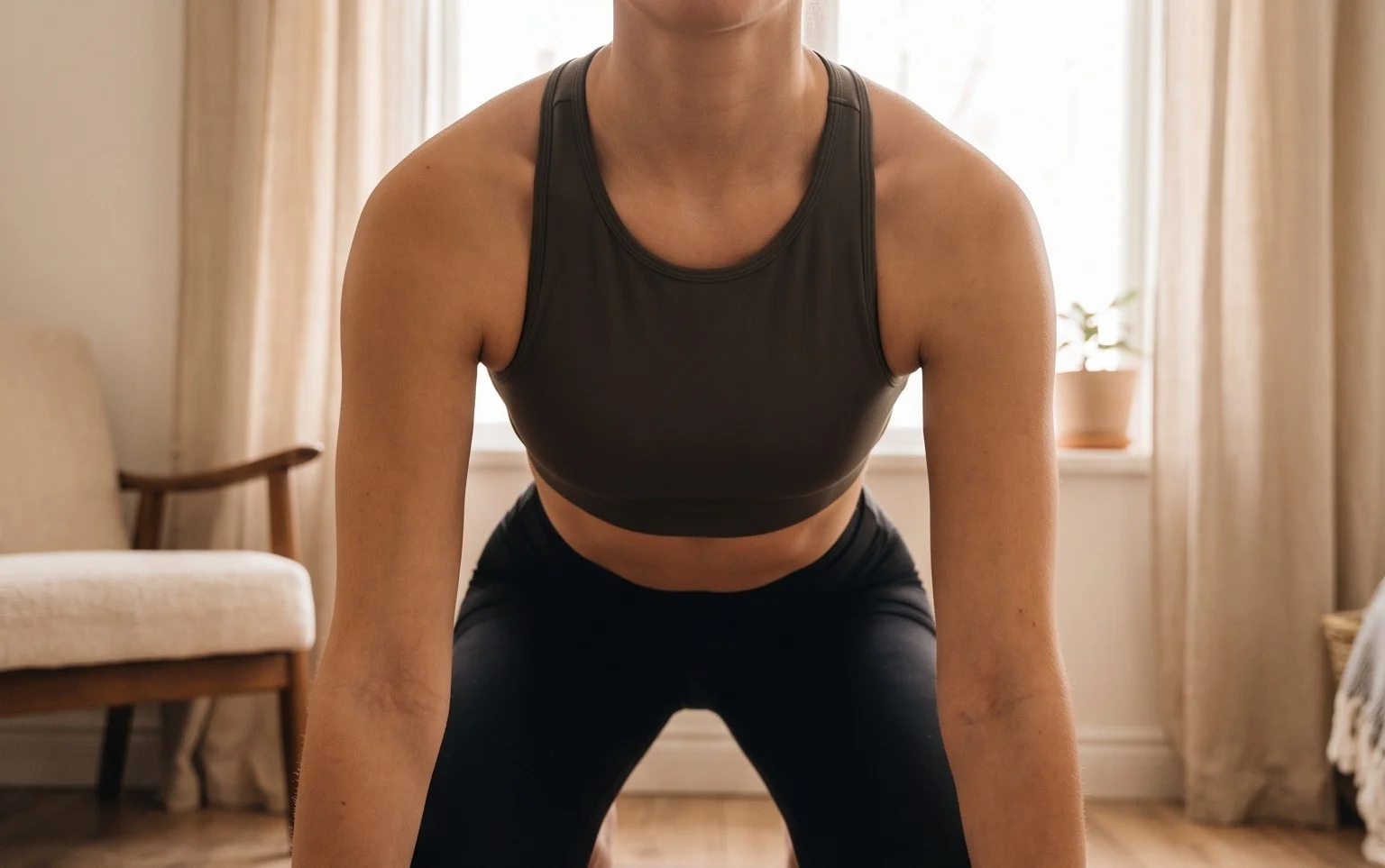
A Bodyweight Workout You Can Do Anywhere
In today’s fast-paced world, finding time and space for a dedicated workout can feel like a luxury. The good news is, you don’t need fancy gym equipment or an expensive membership to get your body moving and improve your health. A bodyweight workout, utilizing only your own body’s resistance, is a highly effective and accessible way to build strength, improve cardiovascular health, and enhance overall fitness. This article will explore what a bodyweight workout entails, its benefits, practical ways to incorporate it into your life, and important considerations.
What is a Bodyweight Workout?
At its core, a bodyweight workout is any exercise that uses your own body’s weight as resistance. Think of it as gravity becoming your personal trainer. Instead of lifting external weights, you’re pushing, pulling, squatting, and lunging against your own mass. This method has been practiced for centuries and forms the foundation of many martial arts and calisthenics disciplines. The beauty of bodyweight training lies in its simplicity and versatility. From basic movements like squats and push-ups to more complex exercises like pull-ups and handstands (with practice!), your body is capable of a wide range of challenging movements.
These exercises engage multiple muscle groups simultaneously, promoting functional strength – the kind of strength that translates directly to everyday activities like carrying groceries, lifting children, or climbing stairs. Bodyweight training also inherently improves balance, coordination, and flexibility, contributing to a well-rounded fitness profile.
Common Signs or Factors that Make a Bodyweight Workout Beneficial
Several common factors and signs suggest that incorporating a bodyweight workout could be particularly beneficial for you:
- Limited Access to Gyms or Equipment: If you travel frequently, live in a remote area, or simply prefer exercising at home without investing in equipment, bodyweight workouts are ideal.
- Desire for Convenience: The ability to exercise anytime, anywhere, with no setup or travel time required, is a significant advantage. You can squeeze in a workout during a lunch break, while watching TV, or even in a hotel room.
- Budget Constraints: Bodyweight training is completely free. This makes it an excellent option for individuals looking to improve their fitness without incurring ongoing costs.
- Seeking Functional Strength: If your goal is to improve your ability to perform everyday tasks with greater ease and less strain, bodyweight exercises are highly effective.
- Interest in Improving Body Awareness and Control: The nature of bodyweight exercises often requires a greater degree of proprioception (your body’s awareness of its position in space) and control, which can be improved through consistent practice.
- Recovery from Certain Injuries (with professional guidance): Under the supervision of a healthcare professional or physical therapist, specific bodyweight exercises can be incorporated into rehabilitation programs to gradually rebuild strength and mobility.
General Guidance from Health Authorities
Leading health organizations and fitness experts universally endorse the inclusion of strength training in a regular fitness routine. They emphasize that a well-rounded fitness program should incorporate elements that challenge your muscles and improve your cardiovascular health. General guidance often suggests aiming for muscle-strengthening activities at least two days per week, targeting all major muscle groups. This can be achieved through a variety of methods, including bodyweight exercises.
Health authorities also highlight the importance of progressive overload, meaning gradually increasing the challenge over time to continue seeing improvements. For bodyweight training, this can involve increasing repetitions, sets, decreasing rest times, or progressing to more difficult variations of exercises. Consistency is also a key message, with recommendations to build physical activity into your daily life rather than viewing it as an occasional chore.
Practical Everyday Habits to Act On
Making a bodyweight workout a regular part of your life doesn’t have to be a monumental task. Small, consistent changes can lead to significant improvements. Here are some practical habits you can adopt:
- Start Your Day with a Few Movements: Before you even get out of bed, do a few stretches or a couple of bodyweight exercises. This can be as simple as a few squats or arm circles.
- Incorporate Movement During Downtime: Waiting for water to boil? Do some calf raises. Watching a commercial break? Perform a set of push-ups (on your knees if needed). These micro-workouts add up.
- Create a Dedicated “Workout Zone” (Even a Small One): Designate a small area in your home where you can comfortably do your exercises. This can be as simple as clearing a small patch of floor.
- Follow a Structured Routine (Initially): While bodyweight training is versatile, having a basic routine can help you get started and ensure you’re working various muscle groups. Look for beginner-friendly routines online or in fitness apps.
- Listen to Your Body: Pay attention to how your body feels. Rest when you need to and don’t push through sharp pain.
- Embrace Progression: As exercises become easier, find ways to make them more challenging. This could mean adding more repetitions, moving to a more advanced variation (e.g., from knee push-ups to standard push-ups), or increasing the time under tension.
- Stay Hydrated and Fuel Appropriately: While not directly part of the workout, proper hydration and nutrition are crucial for recovery and performance.
What the Evidence Does and Does Not Support
The scientific evidence strongly supports the effectiveness of bodyweight training for improving muscular strength, endurance, and overall physical fitness. Studies consistently show that bodyweight exercises can lead to significant gains in muscle mass and strength comparable to those achieved with traditional weightlifting, particularly for beginners and intermediate exercisers.
Furthermore, bodyweight training has been shown to enhance cardiovascular health, improve balance and coordination, and contribute to weight management when combined with a calorie-appropriate diet. The accessibility and low cost of bodyweight training make it a highly practical intervention for improving public health.
However, it’s important to note what the evidence *does not* universally support without qualification:
- Extreme Muscle Hypertrophy (Massive Muscle Growth) Solely Through Bodyweight: While bodyweight training can build significant muscle, achieving the extreme levels of muscle hypertrophy seen in elite bodybuilders typically requires very high training volumes and often incorporates heavy external resistance.
- Instant Results: Like any fitness endeavor, noticeable results from bodyweight training require consistent effort and patience over time.
- A Complete Replacement for All Forms of Exercise: While incredibly effective, a purely bodyweight routine might not always be the optimal choice for individuals with very specific, high-level athletic goals that require specialized training modalities.
Common Myths Worth Correcting
Several misconceptions surround bodyweight training. Here are a few common myths that are worth clarifying:
- Myth: Bodyweight exercises are too easy to be effective.
Correction: As mentioned, bodyweight exercises can be incredibly challenging. The difficulty lies in mastering proper form and progressively increasing the intensity. Many advanced bodyweight movements require significant strength, skill, and control.
- Myth: You can’t build significant muscle with just bodyweight.
Correction: This is largely untrue. While extreme size might be harder to achieve, substantial muscle growth is absolutely possible with consistent and progressive bodyweight training. The key is to challenge your muscles to the point of fatigue.
- Myth: Bodyweight workouts are only for beginners.
Correction: Bodyweight training can be adapted for all fitness levels. From beginner modifications of squats and push-ups to advanced exercises like pistol squats and muscle-ups, there’s always a challenge to be found.
- Myth: Bodyweight training is inherently unsafe.
Correction: Like any form of exercise, improper form or pushing too hard too soon can lead to injury. However, when performed correctly and with appropriate progression, bodyweight training is a very safe and effective way to exercise.
When to Speak to a Qualified Professional
While bodyweight workouts are generally safe and accessible, there are clear signs that indicate you should consult a qualified healthcare professional or certified fitness trainer. These include:
- Experiencing Persistent or Sharp Pain: If you feel any pain that is sharp, sudden, or doesn’t subside with rest, it’s crucial to get it checked by a medical professional.
- Having Pre-existing Health Conditions: If you have any underlying health issues, such as heart conditions, diabetes, or joint problems, it’s wise to discuss your exercise plans with your doctor or a physical therapist before starting a new routine.
- Feeling Dizzy or Lightheaded During Exercise: These symptoms can indicate underlying issues that require medical attention.
- Not Seeing Progress Despite Consistent Effort: If you’ve been consistently following a program for a significant period and aren’t noticing any improvements, a professional can help assess your technique, program, or identify potential barriers.
- Uncertainty About Proper Form: Incorrect form can lead to injuries and reduce the effectiveness of your workouts. A certified trainer can assess your technique and provide personalized guidance.
- Recovering from an Injury: If you are undergoing physical therapy or recovering from an injury, it is essential to work with your therapist to determine which bodyweight exercises are safe and appropriate for your stage of recovery.
Ultimately, a bodyweight workout offers a powerful and accessible path to improved health and fitness. By understanding what it is, embracing practical habits, and being mindful of when to seek professional advice, you can unlock the potential of your own body to become stronger, healthier, and more resilient, all without leaving your home or spending a dime.

Conclusion
Embracing a consistent bodyweight workout routine can be a powerful and accessible step towards improved health and wellness. The key takeaway is that you have the tools for a great workout right at your fingertips, requiring no special equipment and adaptable to any space. Remember, the journey to a healthier you is built on small, sustainable changes. Focus on incorporating these exercises gradually, listening to your body, and celebrating consistent effort over perfection. This information is for general guidance only and should not replace the advice of a qualified healthcare professional. Continue your exploration into fitness and well-being by discovering more articles on nutrition and mental health.