9 Juicing Recipes for Beginners: Healthy & Delicious is your perfect starting point to easily incorporate more vibrant fruits and vegetables into your daily routine. Juicing is a simple way to unlock the beneficial nutrients found in produce, potentially boosting your energy and supporting your overall well-being. If you’re new to juicing and looking for straightforward, tasty ways to get started, this guide is designed for you. We’ll explore nine easy-to-follow recipes that are both nourishing and enjoyable, demonstrating how effortless it can be to make healthy choices a delicious habit. This article offers practical inspiration for anyone seeking to add a fresh, natural boost to their diet.

Juicing for Beginners: 9 Healthy and Delicious Recipes
Embracing a healthier lifestyle often involves exploring new ways to incorporate nutrient-rich foods into our diets. For many, juicing emerges as a popular and accessible option. But what exactly is juicing, and how can you get started on your journey to delicious and healthy homemade juices? This article will guide you through the basics, offer practical advice, debunk common myths, and present nine beginner-friendly recipes to get you blending.
Understanding Juicing: What It Is and Why People Do It
In plain language, juicing is the process of extracting the liquid from fruits and vegetables, separating it from the solid pulp. Unlike smoothies, which blend the whole fruit or vegetable, juicing focuses solely on the nutrient-rich liquid. This concentrated form of nutrients can be a quick and easy way to consume a variety of vitamins, minerals, enzymes, and antioxidants.
People turn to juicing for a multitude of reasons, often linked to a desire for improved well-being. Some common signs or factors that might lead someone to consider juicing include:
* Feeling low on energy or experiencing fatigue.
* A desire to increase daily intake of fruits and vegetables.
* Wanting to support their immune system.
* Looking for natural ways to improve digestion.
* Seeking to incorporate more hydration into their diet.
* An interest in exploring new, vibrant flavors from produce.
## General Guidance on Incorporating Juices
Health authorities generally recommend a diet rich in fruits and vegetables. While juicing can be a way to enhance your intake of these beneficial foods, it’s important to understand its place within a balanced diet. General guidance emphasizes that whole fruits and vegetables offer valuable fiber, which is largely removed during the juicing process. Fiber plays a crucial role in digestion, satiety, and blood sugar regulation. Therefore, while juices can be a nutritious addition, they are typically advised to complement, rather than entirely replace, whole produce.
The emphasis is often on moderation and making informed choices about what goes into your juice. Focusing on a variety of colorful fruits and vegetables ensures a broader spectrum of nutrients.
### Practical Habits for Everyday Juicing
Integrating juicing into your daily routine can be straightforward with a few practical habits:
* **Start Simple:** Begin with a few staple ingredients you enjoy. Don’t feel pressured to create complex blends from the outset.
* **Invest in a Juicer:** There are two main types: centrifugal and masticating (slow) juicers. Centrifugal juicers are generally more affordable and faster but can generate heat, potentially degrading some nutrients. Masticating juicers are slower but extract more juice and preserve more nutrients. Choose one that fits your budget and needs.
* **Wash and Prep:** Always thoroughly wash your produce before juicing. Remove any tough skins or large seeds that your juicer manufacturer advises against.
* **Balance Your Juices:** Aim for a balance between fruits and vegetables. Too much fruit can lead to a high sugar intake. Consider a ratio of roughly 70-80% vegetables to 20-30% fruits.
* **Drink Fresh:** Juices are best consumed immediately after preparation to maximize nutrient absorption and flavor.
* **Listen to Your Body:** Pay attention to how you feel after drinking your juices. Adjust ingredients based on your preferences and how your body responds.
* **Clean Your Juicer Promptly:** Cleaning your juicer right after use makes the task much easier and ensures its longevity.
## What the Evidence Supports (and Doesn’t)
The evidence surrounding juicing largely supports its role as a way to increase the consumption of vitamins, minerals, and antioxidants from fruits and vegetables. The concentrated nature of juice means that a significant amount of produce can be consumed in a single serving. Studies and general nutritional understanding highlight the presence of various beneficial compounds in fruit and vegetable juices, such as vitamin C, potassium, and various phytonutrients.
However, it’s crucial to understand what the evidence does not strongly support. Juicing is not a miracle cure for any disease. Claims that juicing can detoxify the body in a way that medical science doesn’t recognize are often unsubstantiated. The body has its own sophisticated detoxification systems (liver and kidneys). While the nutrients in juices can support these organs, juicing itself is not a “detox” in the way often portrayed by some marketing.
Furthermore, replacing all solid food with juice for extended periods is not generally recommended by health authorities due to the lack of fiber and protein, which are essential for sustained energy, muscle health, and digestive regularity.
## Common Myths Worth Correcting
Several myths surround juicing, and it’s helpful to address them:
* **Myth 1: Juicing is a guaranteed way to lose weight quickly.** While replacing high-calorie, low-nutrient meals with juice can lead to a calorie deficit and potential weight loss, it’s not a sustainable or healthy long-term strategy on its own. Weight loss is most effective when combined with a balanced diet and regular physical activity.
* **Myth 2: Juices can “detoxify” your body.** As mentioned, the body has natural detoxification mechanisms. While juices provide nutrients that support these processes, they don’t “flush out” toxins in the way some believe.
* **Myth 3: All juicing is healthy, regardless of ingredients.** The sugar content in some fruits can be quite high. Overconsumption of fruit juice without sufficient vegetable or protein intake can lead to blood sugar spikes and crashes, and a higher calorie intake than intended.
* **Myth 4: Juicing replaces the need for whole fruits and vegetables.** Fiber is a vital component of whole produce, offering numerous health benefits that are lost in juicing.
### When to Speak to a Qualified Professional
While juicing can be a beneficial addition to a healthy diet, there are certain signs that indicate you should consult a qualified healthcare professional. These include:
* **Pre-existing Medical Conditions:** If you have conditions like diabetes, kidney disease, or any other chronic illness, it’s essential to discuss significant dietary changes, including juicing, with your doctor or a registered dietitian. Your condition may require specific dietary considerations regarding sugar intake, potassium levels, or fluid balance.
* **Sudden or Significant Changes in Health:** If you experience unexplained weight loss or gain, persistent digestive issues, extreme fatigue, or any other concerning symptoms, these warrant professional medical attention. Juicing should not be used as a substitute for diagnosing or treating medical problems.
* **Concerns About Nutrient Deficiencies:** If you are concerned about not getting enough essential nutrients from your diet, a healthcare professional can assess your intake and recommend appropriate dietary adjustments or supplements.
* **Pregnancy or Breastfeeding:** During pregnancy and breastfeeding, specific nutritional needs are paramount. Any significant dietary changes should be discussed with a healthcare provider to ensure the well-being of both mother and child.
* **Digestive Distress:** While some people find juicing aids digestion, others might experience discomfort. If juicing consistently causes bloating, gas, or other digestive upset, it’s wise to seek advice.
**Always consult a qualified healthcare professional for personalized medical advice. This article is for informational purposes only and does not constitute medical advice.**
—
## 9 Beginner-Friendly Juicing Recipes
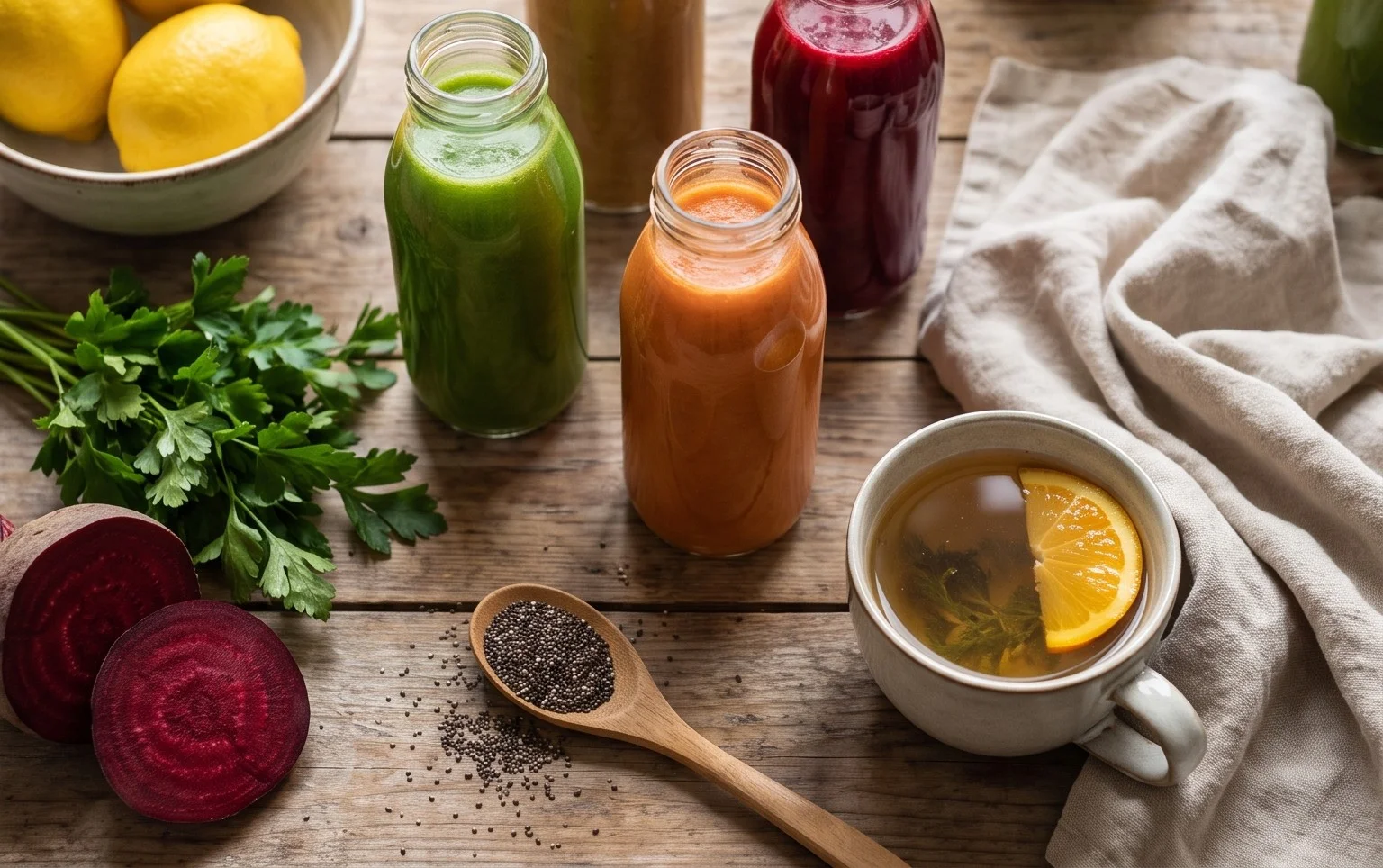
Here are nine delicious and easy juicing recipes perfect for beginners. Remember to adjust the quantities to your juicer’s capacity.
1. **The Green Revitalizer:**
* 2 large handfuls of spinach
* 1 cucumber
* 1 green apple
* 1 inch ginger (peeled)
* Juice all ingredients. This is a great way to start with greens, as the apple and ginger add sweetness and a zesty kick.
2. **Sunrise Citrus Boost:**
* 2 oranges (peeled)
* 1 grapefruit (peeled)
* 1 carrot
* Juice all ingredients. A bright and tangy blend packed with vitamin C.
3. **Beet and Berry Power:**
* 1 small beet (peeled and trimmed)
* 1 cup mixed berries (strawberries, blueberries, raspberries)
* 1/2 lemon (peeled)
* Juice all ingredients. The beets offer earthy notes, balanced by the sweetness of berries and tartness of lemon.
4. **Cucumber Cooler:**
* 1 large cucumber
* 1 stalk celery
* 1/2 green apple
* Juice all ingredients. A hydrating and refreshing juice, perfect for a warm day.
5. **Carrot Ginger Zing:**
* 4 medium carrots
* 1 inch ginger (peeled)
* 1/2 lemon (peeled)
* Juice all ingredients. Sweet, slightly spicy, and full of beta-carotene.
6. **Apple Pear Delight:**
* 2 apples
* 1 pear
* A few sprigs of mint (optional)
* Juice all ingredients. A naturally sweet and mild juice, very approachable.
7. **Simple Spinach & Apple:**
* 2 large handfuls of spinach
* 2 apples
* Juice all ingredients. A classic green juice that’s easy to drink.
8. **Watermelon Refresher:**
* 1/4 medium watermelon (cubed and seeds removed)
* 1/2 lime (peeled)
* Juice all ingredients. Incredibly hydrating and naturally sweet, perfect for hot weather.
9. **Kale Kickstart:**
* 1 large kale leaf (tough stems removed)
* 1 green apple
* 1/2 cucumber
* 1 celery stalk
* Juice all ingredients. A more robust green juice, balanced by the sweetness of apple and cucumber.
Enjoy experimenting with these recipes and discovering the vibrant world of homemade juices!
Conclusion
Embarking on a juicing journey can be a delightful way to boost your nutrient intake. Remember, the key to making these healthy & delicious recipes work for you is consistency, not perfection. Start with one or two that appeal to you, and gradually integrate them into your routine. Small, sustainable changes are often more impactful than drastic overhauls. Please note that this information is for general guidance only and should not replace professional medical advice. Always consult with a healthcare provider before making significant dietary changes. We encourage you to explore more about incorporating fresh produce into your diet and discovering other wellness strategies.