Easy Cabbage Soup is a wonderfully simple and nourishing meal perfect for anyone looking to incorporate more plant-based goodness into their diet. This vegan and healthy recipe is designed to be straightforward, making it an accessible option for busy weeknights or when you simply want a comforting, wholesome dish. It matters day to day because it offers a nutrient-rich way to support your well-being with minimal effort. This article is especially relevant for individuals seeking plant-based meal inspiration, those new to vegan cooking, or anyone wanting a healthy, budget-friendly soup. We’ll walk you through the simple steps to create this delicious soup, discuss its wholesome ingredients, and offer tips for enjoying it. Get ready to embrace a healthy and easy addition to your meal rotation.

Embrace Simplicity and Health: Understanding Easy Cabbage Soup
In the pursuit of healthier eating, sometimes the most effective solutions are also the simplest. Easy Cabbage Soup, particularly the vegan and healthy variations popularized by sources like The Simple Veganista, represents a straightforward approach to incorporating nutrient-rich vegetables into your diet. At its core, this soup is a hearty and flavorful broth-based concoction where cabbage takes center stage, complemented by a medley of other wholesome vegetables and seasonings. It’s a dish designed for ease of preparation and maximum nutritional benefit, making it an accessible option for individuals looking to enhance their well-being through diet.
What is Easy Cabbage Soup in Plain Language?
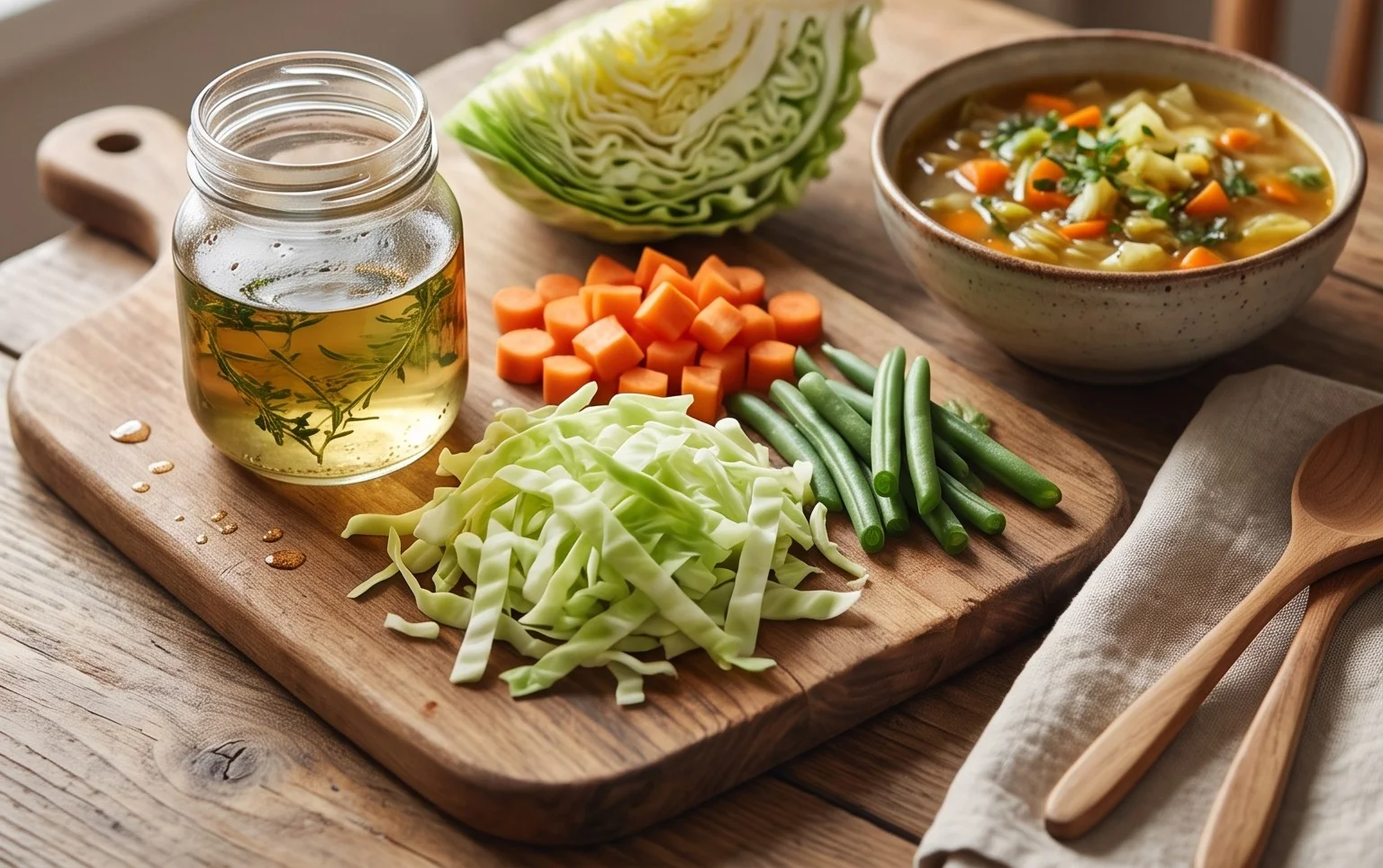
Imagine a warm, comforting bowl filled with tender chunks of vegetables swimming in a savory, often broth-based liquid. That’s essentially easy cabbage soup. The star ingredient, cabbage, is a cruciferous vegetable known for its mild flavor and impressive nutrient profile. Beyond cabbage, these soups typically include a variety of other vegetables such as carrots, celery, onions, tomatoes, and bell peppers. Garlic and herbs are often added for depth of flavor, transforming simple ingredients into a delicious and satisfying meal. The vegan aspect means no animal products are used, relying on vegetable broth and plant-based seasonings for its base. The “healthy” descriptor emphasizes its low-calorie, high-fiber, and nutrient-dense nature, making it a popular choice for those seeking to improve their overall health, manage weight, or simply enjoy a wholesome meal. It’s a dish that doesn’t require complex culinary skills or obscure ingredients, making it a practical option for everyday cooking.
Common Signs or Factors Favoring Easy Cabbage Soup
Several common signs and factors might lead someone to consider incorporating easy cabbage soup into their diet:
- A desire for increased vegetable intake: Many people find it challenging to meet recommended daily servings of fruits and vegetables. Cabbage soup offers a delicious and easy way to boost this intake.
- Interest in weight management: Due to its low calorie and high fiber content, cabbage soup is often viewed as a supportive meal for those looking to manage their weight. The fiber promotes feelings of fullness, which can help reduce overall calorie consumption.
- Seeking a nutrient-dense meal: Cabbage and the other vegetables commonly found in this soup are packed with vitamins, minerals, and antioxidants that are essential for good health.
- Convenience and ease of preparation: Busy lifestyles often make elaborate cooking difficult. The simplicity of cabbage soup, often requiring just chopping and simmering, appeals to those seeking quick and healthy meal solutions.
- Dietary preferences: For individuals following vegan, vegetarian, or plant-based diets, this soup is a naturally compliant and satisfying option.
- Digestive wellness: The fiber in cabbage and other vegetables can support a healthy digestive system.
- A need for comforting and warming food: Especially during colder months, a hot bowl of soup can be incredibly comforting and nourishing.
General Guidance on Healthy Eating and Vegetables
Health authorities universally emphasize the importance of a diet rich in vegetables for maintaining good health. General guidance typically recommends that individuals aim to consume a variety of colorful vegetables daily. These recommendations are based on the understanding that vegetables provide essential vitamins, minerals, dietary fiber, and beneficial plant compounds known as phytonutrients.
Dietary fiber, abundant in vegetables like cabbage, plays a crucial role in digestive health, helping to regulate bowel movements and promoting a feeling of fullness. This can be particularly helpful in managing appetite. Furthermore, the vitamins and minerals found in vegetables are vital for a wide range of bodily functions, from supporting the immune system to promoting healthy skin and bones.
Consuming a diverse range of vegetables ensures a broader spectrum of these vital nutrients. For instance, leafy greens offer folate and vitamin K, while brightly colored vegetables often indicate the presence of different types of antioxidants and vitamins. The general advice is to make vegetables a significant part of every meal, whether raw, cooked, or incorporated into dishes like soups, stews, or stir-fries. This approach supports long-term health and can help reduce the risk of various chronic diseases.
Practical Everyday Habits to Adopt
Incorporating easy cabbage soup and similar healthy habits into your daily routine doesn’t have to be overwhelming. Here are some practical, actionable steps you can take:
- Meal Prep Simplicity: Dedicate a short amount of time each week, perhaps on a weekend, to wash and chop your vegetables for the week. Store them in airtight containers in the refrigerator. This makes throwing together a pot of soup or a quick stir-fry much faster during busy weekdays.
- Batch Cooking: Make a large pot of easy cabbage soup at the beginning of the week. Store portions in individual containers in the refrigerator or freezer. This provides readily available healthy meals for lunches or quick dinners.
- Vegetable “Snacking”: Keep pre-cut raw vegetables like carrots, celery, and bell peppers accessible for snacking. Pair them with a healthy dip like hummus for a satisfying and nutrient-rich snack.
- Sneak in Greens: Add a handful of spinach or kale to your cabbage soup during the last few minutes of cooking. They wilt down quickly and add extra nutrients without significantly altering the flavor.
- Hydration First: While not directly related to cabbage soup, prioritizing water intake is a fundamental health habit. Often, feelings of hunger can actually be thirst. Staying well-hydrated supports overall bodily functions and can contribute to feeling more satiated.
- Mindful Eating: When enjoying your cabbage soup or any meal, try to eat slowly and pay attention to your body’s hunger and fullness cues. This practice can help you better understand your nutritional needs and prevent overeating.
- Flavor Exploration: Don’t be afraid to experiment with different herbs and spices in your cabbage soup to keep it interesting. Turmeric, ginger, cumin, or a touch of smoked paprika can add delicious and healthy flavor dimensions.
What the Evidence Does and Does Not Support
The health benefits associated with easy cabbage soup are largely derived from the established nutritional profiles of its primary ingredients.
What the evidence *does* support:
- Nutrient Density: Cabbage and its accompanying vegetables are rich in vitamins (like Vitamin C, Vitamin K, folate), minerals (like potassium, manganese), and fiber. These nutrients are well-documented as being essential for a healthy body.
- Contribution to Fiber Intake: The high fiber content of cabbage soup can support digestive health and contribute to feelings of fullness, which may aid in appetite management.
- Low Calorie Contribution: As a vegetable-heavy dish with a broth base, cabbage soup is typically low in calories, making it a good option for those seeking to reduce their overall calorie intake without sacrificing volume.
- Hydration: Soups contribute to overall fluid intake, which is essential for bodily functions.
What the evidence *does not* support (or is not the primary focus):
- “Detox” Claims: While vegetables are vital for the body’s natural detoxification processes, the concept of specific foods like cabbage soup acting as a “detox” agent in a way that “cleanses” the body is not scientifically substantiated. The body has its own sophisticated systems (liver, kidneys) for processing waste.
- Rapid, Unsustainable Weight Loss: While cabbage soup can be part of a weight management plan due to its low calorie and high fiber content, relying solely on it for extended periods for rapid weight loss is generally not recommended by health professionals due to the potential for nutrient deficiencies and the difficulty of sustaining such restrictive diets long-term. Sustainable weight loss typically involves a balanced dietary approach and lifestyle changes.
- Miracle Cure: Easy cabbage soup is a healthy food choice, not a cure-all for medical conditions. Its benefits are rooted in good nutrition, not in possessing inherent medicinal properties beyond what its constituent nutrients provide.
Common Myths Worth Correcting
Several misconceptions surround cabbage soup, particularly when it’s associated with restrictive diets.
- Myth: Cabbage soup is a magic bullet for weight loss.
Correction: While cabbage soup can be a healthy, low-calorie addition to a diet, it is not a magic solution. Sustainable weight loss is achieved through a balanced dietary pattern, regular physical activity, and behavioral changes, not by relying on a single food item.
- Myth: You can only eat cabbage soup to lose weight.
Correction: This is a restrictive and often unsustainable approach. While some may follow short-term cabbage soup diets, a balanced diet that includes a variety of nutrient-rich foods is crucial for long-term health and weight management.
- Myth: Cabbage soup tastes bland and unappetizing.
Correction: This is a common misconception, especially for those who haven’t tried well-prepared versions. With the right herbs, spices, and complementary vegetables, easy cabbage soup can be incredibly flavorful and satisfying. Vegan recipes often highlight how to build deep flavor without animal products.
- Myth: Cabbage is difficult to digest.
Correction: For most people, cooked cabbage is quite digestible, especially when it’s part of a soup where it’s softened. For individuals with specific digestive sensitivities, it’s always wise to assess personal tolerance.
When to Speak to a Qualified Healthcare Professional
While easy cabbage soup is a healthy food choice, there are times when seeking professional advice is essential. It’s important to remember that this article provides general information and does not constitute medical advice.
Always consult with a qualified healthcare professional, such as a doctor, registered dietitian, or nutritionist, if you experience any of the following:
- Persistent or severe digestive issues: If you experience ongoing bloating, gas, abdominal pain, or changes in bowel habits that are concerning, a healthcare professional can help identify the cause and recommend appropriate management strategies.
- Unexplained weight changes: Significant or unintentional weight loss or gain warrants medical attention to rule out underlying health conditions.
- Concerns about nutrient deficiencies: If you are considering significant dietary changes or have concerns about not getting enough essential nutrients, a professional can provide personalized dietary guidance.
- Pre-existing health conditions: If you have chronic health conditions such as diabetes, kidney disease, or gastrointestinal disorders, it is crucial to discuss any significant dietary changes, including incorporating specific foods like cabbage soup, with your doctor or a registered dietitian to ensure they are appropriate for your individual needs and do not interfere with your medical management.
- New or worsening symptoms after dietary changes: If you notice any new or worsening symptoms that you believe are related to a change in your diet, seeking professional medical advice is recommended.
- Uncertainty about your nutritional needs: For personalized advice on how to best meet your individual nutritional requirements as part of a healthy lifestyle, consulting with a registered dietitian is the most effective approach.
Conclusion
Embarking on a journey towards better health doesn’t require radical upheaval. As we’ve explored, incorporating simple, nutritious meals like this easy cabbage soup into your routine can be a wonderfully effective and sustainable step. Remember, the goal is gradual progress. Focus on making small, consistent changes that feel manageable and enjoyable, rather than aiming for immediate, overwhelming transformations. This article provides general information and should not be considered a substitute for professional medical advice. Always consult with a healthcare provider for personalized guidance. We encourage you to continue exploring other healthy and delicious vegan recipes and wellness tips on our site to further nurture your well-being.