Brain food isn’t just a catchy phrase; it’s about nourishing your mind for optimal daily performance. In today’s fast-paced world, maintaining sharp memory and unwavering focus can feel like a challenge. This is where understanding what fuels your brain truly matters. Whether you’re a student preparing for exams, a professional navigating demanding tasks, or simply aiming to stay mentally agile as you age, this information is relevant to you.
This article will explore the delicious and readily available foods that can support your cognitive functions. We’ll delve into specific food groups and ingredients known for their beneficial properties, offering practical insights into how you can incorporate them into your diet. Our aim is to provide you with factual, supportive information to help you make informed choices for a healthier, sharper mind.

The Best Brain Food to Sharpen Your Memory & Focus
In today’s fast-paced world, maintaining sharp memory and unwavering focus can feel like a constant battle. Whether you’re a student cramming for exams, a professional navigating complex projects, or simply trying to remember where you put your keys, the desire for a cognitive edge is universal. While there’s no magic bullet, the food we eat plays a surprisingly significant role in how well our brains function. This article explores the essential nutrients and dietary patterns that can help optimize your brain health, improve memory, and boost your concentration.
What is “Brain Food” in Plain Language?
When we talk about “brain food,” we’re referring to foods that are rich in nutrients specifically beneficial for brain health. These aren’t necessarily exotic or expensive items. Instead, they are typically whole, unprocessed foods that provide the building blocks and fuel your brain needs to operate efficiently. Think of it like fueling a high-performance car – you wouldn’t put just any gas in it. Similarly, feeding your brain the right nutrients supports its complex functions, from forming new memories to staying alert and engaged.
Key components of “brain food” include:
- Healthy Fats: Especially omega-3 fatty acids, which are crucial for building brain cell membranes.
- Antioxidants: These compounds protect brain cells from damage caused by free radicals.
- Vitamins and Minerals: A variety of vitamins (like B vitamins and vitamin E) and minerals (like iron and zinc) are essential for neurotransmitter production and overall brain function.
- Complex Carbohydrates: These provide a steady release of glucose, the brain’s primary energy source.
- Proteins: Essential for producing neurotransmitters, the chemical messengers that allow brain cells to communicate.
Common Signs or Factors Affecting Memory and Focus
Before diving into specific foods, it’s helpful to recognize when your cognitive function might be suboptimal. Several everyday factors can contribute to forgetfulness or difficulty concentrating:
- Lack of Sleep: Insufficient or poor-quality sleep significantly impairs cognitive abilities. During sleep, the brain consolidates memories and clears out waste products.
- Stress: Chronic stress can release hormones that interfere with brain function, particularly in areas related to memory and decision-making.
- Poor Diet: A diet high in processed foods, sugar, and unhealthy fats can negatively impact brain health over time.
- Dehydration: Even mild dehydration can lead to fatigue, headaches, and reduced concentration.
- Lack of Physical Activity: Regular exercise improves blood flow to the brain, which is vital for cognitive function.
- Nutrient Deficiencies: A lack of essential vitamins and minerals can directly impact brain chemistry and function.
- Multitasking: Constantly switching between tasks can fragment attention and make it harder to retain information.
What General Guidance Says About Diet and Brain Health
Health authorities generally advocate for a balanced dietary approach that emphasizes whole, unprocessed foods to support overall well-being, including cognitive function. The recommendations often align with established healthy eating patterns that are rich in fruits, vegetables, whole grains, lean proteins, and healthy fats. These dietary patterns are consistently linked to a reduced risk of chronic diseases and improved brain health markers.
Key principles often highlighted include:
- Prioritizing plant-based foods like leafy greens, berries, and nuts.
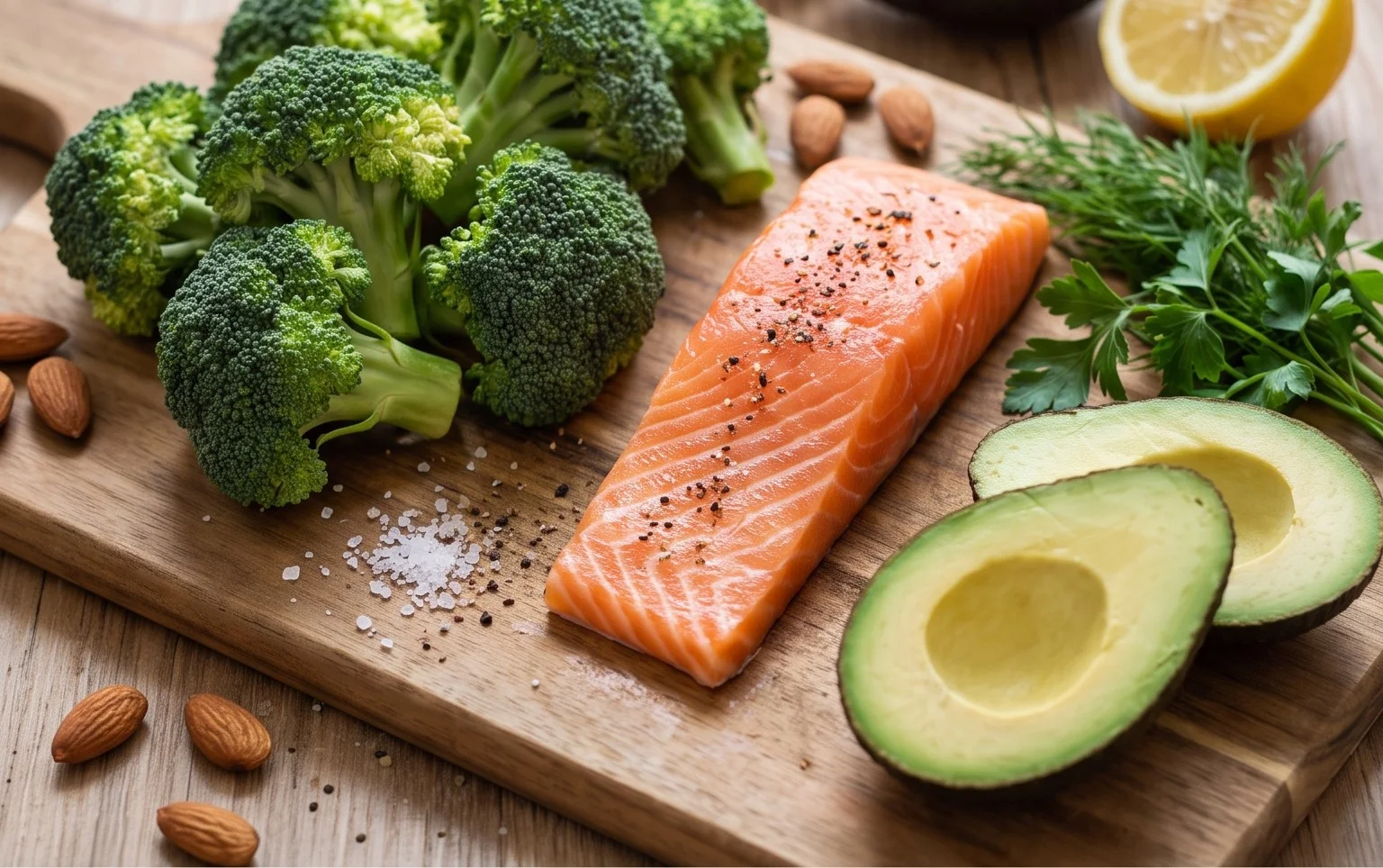
- Including sources of healthy fats, such as fatty fish, avocados, and olive oil.
- Choosing lean protein sources like poultry, beans, and lentils.
- Opting for whole grains over refined grains.
- Limiting intake of added sugars, saturated fats, and processed foods.
These guidelines underscore the idea that a consistently healthy diet, rather than specific “superfoods” in isolation, forms the foundation for optimal brain function.
Practical Everyday Habits to Sharpen Your Mind
Incorporating brain-boosting foods into your daily routine doesn’t have to be complicated. Here are some practical, actionable habits:
Breakfast Brilliance:
- Start your day with a bowl of oatmeal topped with berries and nuts. The complex carbohydrates in oats provide sustained energy, while berries offer antioxidants and nuts contribute healthy fats and vitamin E.
- Scrambled eggs with spinach and whole-wheat toast is another excellent option, providing protein, choline (important for memory), and B vitamins.
Lunchtime Power-Ups:
- Build your lunch around a colorful salad packed with leafy greens, bell peppers, tomatoes, and a source of lean protein like grilled chicken or chickpeas. Drizzle with an olive oil-based dressing.
- A tuna or salmon salad sandwich on whole-grain bread, with lettuce and tomato, is a good way to get omega-3s and protein.
Snack Smart:
- Instead of reaching for sugary snacks, opt for a handful of almonds or walnuts, a piece of fruit like an apple or banana, or some Greek yogurt.
- Carrot sticks with hummus or hard-boiled eggs are also excellent brain-friendly snacks.
Dinner Delights:
- Incorporate fatty fish like salmon, mackerel, or sardines into your diet at least twice a week. These are rich in omega-3 fatty acids.
- Include plenty of colorful vegetables in your meals – think broccoli, sweet potatoes, and leafy greens.
- Opt for whole grains like quinoa, brown rice, or farro as your carbohydrate base.
Hydration is Key:
- Keep a water bottle with you throughout the day and sip regularly.
- Add slices of lemon, lime, or cucumber for a refreshing twist.
Mindful Eating Practices:
- Eat without distractions whenever possible. This helps you focus on your food and aids in better digestion and nutrient absorption.
- Chew your food thoroughly.
What the Evidence Supports (and Doesn’t)
The scientific evidence strongly supports the link between a healthy diet and good cognitive function. Research consistently shows that diets rich in fruits, vegetables, whole grains, and healthy fats are associated with better memory, improved attention, and a lower risk of cognitive decline. Omega-3 fatty acids, particularly DHA found in fatty fish, are well-established as crucial for brain structure and function. Antioxidants from berries and other colorful produce are recognized for their role in protecting brain cells from oxidative stress.
However, it’s important to note what the evidence does not definitively support. While certain individual “superfoods” might be highlighted, the overall dietary pattern is more influential than any single food item. Furthermore, while some supplements are marketed for cognitive enhancement, the evidence for their widespread effectiveness in healthy individuals is often mixed or limited. Relying solely on supplements without a foundational healthy diet is generally not recommended by health professionals.
Common Myths Worth Correcting
Several myths surround brain-boosting foods and cognitive enhancement:
- Myth: You need expensive “superfoods” to boost your brain. Reality: Many everyday, affordable foods like berries, leafy greens, eggs, and nuts are packed with brain-nourishing nutrients.
- Myth: Coffee is the only way to improve focus. Reality: While caffeine can offer a temporary boost, relying on it too heavily can lead to crashes and disrupt sleep. A balanced diet and adequate hydration provide more sustainable focus.
- Myth: Eating certain foods will reverse age-related memory loss. Reality: While a healthy diet can support cognitive function and potentially slow decline, it cannot reverse significant age-related memory loss. However, it can help maintain optimal function for longer.
- Myth: You have to eat specific “brain foods” in huge quantities. Reality: Consistency is key. Incorporating these foods regularly as part of a balanced diet is more effective than occasional large servings.
Clear Signs to Speak to a Qualified Professional
While dietary changes can significantly impact memory and focus, it’s crucial to recognize when more serious attention is needed. You should consult a qualified healthcare professional if you experience any of the following:
- Sudden or significant changes in memory: Forgetting recent events, names of familiar people, or important appointments that is out of the ordinary for you.
- Difficulty with daily tasks: Struggling to complete familiar activities, manage finances, or navigate your usual environment.
- Increased confusion or disorientation: Losing track of time or place, or feeling generally confused.
- Persistent problems with concentration that interfere with daily life: Inability to focus on work, conversations, or hobbies despite making dietary and lifestyle changes.
- Concerns about cognitive changes shared by family or friends: When loved ones notice a decline in your cognitive abilities that you may not be fully aware of.
- Memory or focus issues accompanied by other concerning symptoms: Such as severe headaches, personality changes, or unexplained physical symptoms.
Consult a Qualified Healthcare Professional for Personal Advice
This article provides general information and recommendations about diet and brain health. Individual nutritional needs and health conditions vary greatly. Therefore, it is essential to consult with a qualified healthcare professional, such as a doctor or a registered dietitian, before making significant changes to your diet, especially if you have any underlying health conditions or concerns about your memory or focus. They can provide personalized advice tailored to your specific needs and medical history.
Conclusion
Nourishing your brain is a journey, and the practical takeaways from this article offer a gentle path forward. Remember, incorporating nutrient-rich foods like fatty fish, berries, and leafy greens into your daily meals can significantly sharpen your memory & focus. The key is consistency, not perfection. Instead of aiming for grand dietary overhauls, embrace small, sustainable changes. Even adding one serving of brain-boosting food each day can make a difference. Please remember that this information is for general guidance only and does not replace the advice of a qualified healthcare professional. Continue your wellness exploration by discovering other ways to support cognitive health and overall well-being.