Meal prep lunch recipes under 400 calories can be a game-changer for your daily routine. This approach focuses on preparing healthy, satisfying meals in advance that stay within a specific calorie range, making it easier to manage your energy levels and nutritional intake throughout the day. It matters because it helps you avoid last-minute, often less healthy, food choices when hunger strikes, supporting your overall well-being and making healthy eating more accessible. This is especially relevant for busy individuals, those managing their weight, or anyone looking to simplify their midday meals without sacrificing nutrition.
In this article, we’ll explore a variety of delicious and simple lunch options that are not only calorie-conscious but also packed with flavor and essential nutrients. You’ll discover straightforward recipes that require minimal effort, helping you build a sustainable and enjoyable meal prep habit.

Fueling Your Day: Delicious Lunch Prep Ideas Under 400 Calories
Navigating a busy schedule while trying to maintain healthy eating habits can feel like a constant challenge. Many of us reach for convenient, often calorie-dense options for lunch, leading to midday slumps and potential weight management struggles. This is where the power of meal prep comes in, offering a strategic and delicious solution. Specifically, focusing on lunch recipes under 400 calories can be a game-changer for many seeking to manage their energy levels, support weight goals, and make healthier choices more accessible.
What Exactly is Meal Prep?
Meal prep, in its simplest terms, is the practice of planning and preparing meals in advance. Instead of scrambling to find something to eat each day, you dedicate a block of time, often on a weekend, to cook, portion, and store meals for the week ahead. This can involve chopping vegetables, cooking grains, preparing lean proteins, and assembling complete dishes. The goal is to have healthy, pre-portioned meals ready to grab and go, eliminating the temptation of less nutritious last-minute choices.
When we talk about “under 400 calories” for lunch, we’re referring to the total caloric content of the meal. This calorie range is a common benchmark for a lighter, yet satisfying, midday meal that can contribute to overall calorie management without leaving you feeling deprived. It’s about making conscious choices that provide essential nutrients while staying within a reasonable energy intake for that mealtime.
Common Signs You Might Benefit from Calorie-Conscious Lunch Prep
Several everyday experiences can signal that adopting a strategy like preparing calorie-controlled lunches might be beneficial for you:
- The mid-afternoon energy crash. Do you find yourself feeling overwhelmingly tired, unmotivated, or struggling to concentrate around 2 or 3 PM, often reaching for sugary snacks to combat it? This can be a sign that your lunch was either too heavy, too low in essential nutrients, or too high in refined carbohydrates that cause a blood sugar spike and subsequent crash.
- Frequent cravings for unhealthy snacks. If you’re constantly thinking about chips, cookies, or other processed treats shortly after lunch, it could indicate that your lunch wasn’t truly satisfying or nutrient-dense enough to keep you feeling full and balanced.
- Difficulty managing your weight or energy levels. If you’re finding it challenging to maintain a consistent weight or sustain your energy throughout the day, the choices you make for lunch can play a significant role.
- Reliance on convenience foods or takeout. If your lunch break often involves a quick, unplanned stop at a fast-food restaurant or buying pre-packaged meals that are high in sodium, unhealthy fats, and calories, meal prepping can offer a healthier alternative.
- Feeling bloated or uncomfortable after eating. A lunch that is too large or contains ingredients that don’t agree with you can lead to digestive discomfort. Prepping allows for more control over ingredients and portion sizes.
General Guidance on Calorie Awareness and Balanced Eating
Health authorities and dietary guidelines generally advocate for mindful eating and balanced nutrition as cornerstones of a healthy lifestyle. While specific calorie recommendations vary based on individual factors like age, sex, activity level, and health goals, the principle of consuming appropriate portion sizes and nutrient-dense foods remains consistent.
General guidance often suggests that for adults aiming for weight management, an average daily intake of 1,500 to 2,500 calories is typical, with individual needs differing significantly. Within this framework, ensuring that each meal contributes to overall nutritional needs without excessive calories is key. Lunches under 400 calories align with this by providing a substantial, yet controlled, portion of your daily energy intake, allowing for flexibility in other meals.
These guidelines emphasize the importance of consuming a variety of foods from all major food groups: lean proteins, whole grains, plenty of fruits and vegetables, and healthy fats. This ensures you receive a broad spectrum of vitamins, minerals, and fiber, which are crucial for satiety, energy, and overall well-being.
Practical Everyday Habits for Calorie-Conscious Lunch Prep
Implementing calorie-controlled lunch prep doesn’t need to be complicated. Here are some practical habits you can adopt:
- Plan Your Week: Before you shop, decide on 2-4 lunch recipes you’ll make for the week. This prevents impulse buys and ensures you have the ingredients on hand.
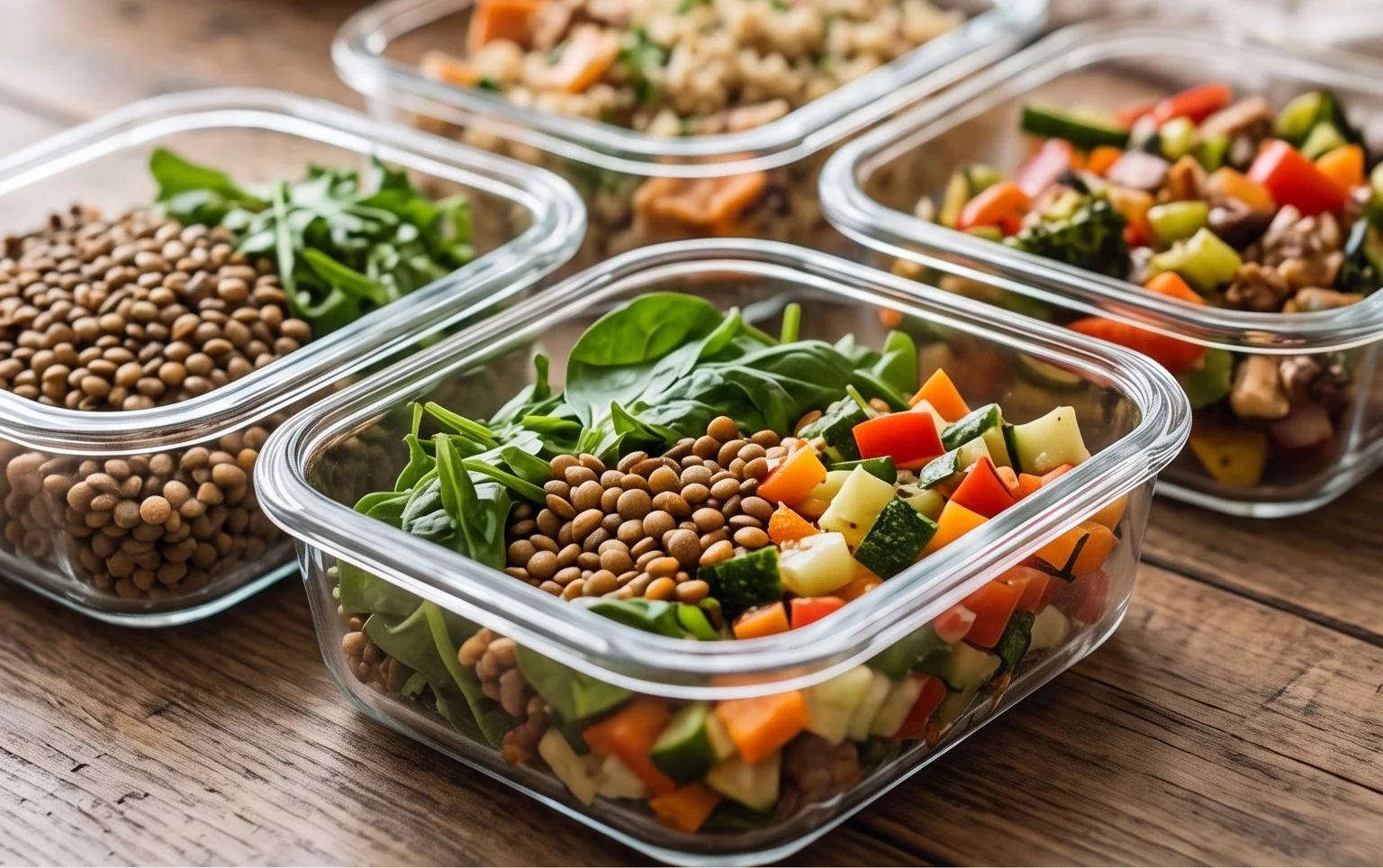
- Batch Cook Staples: Cook a large batch of a versatile grain like quinoa, brown rice, or farro. Prepare a lean protein source such as grilled chicken breast, baked fish, or lentils. These can form the base of many different lunches.
- Chop Veggies Ahead: Wash and chop a variety of vegetables like bell peppers, cucumbers, carrots, broccoli, and spinach. Store them in airtight containers for easy addition to salads, wraps, or stir-fries.
- Portion Control is Key: Use standardized containers or measuring cups to portion out your cooked components. This is crucial for staying within your calorie target without needing to constantly guess.
- Focus on Nutrient Density: Prioritize ingredients that are filling and packed with nutrients. Think lean proteins, high-fiber vegetables, and complex carbohydrates.
- Embrace Variety: To avoid boredom, rotate your recipes weekly. Explore different cuisines and flavor profiles. For example, a Mediterranean-inspired quinoa salad one week can be followed by an Asian-inspired chicken and vegetable stir-fry the next.
- Smart Dressing Choices: Opt for lighter dressings made with ingredients like lemon juice, vinegar, herbs, and a small amount of olive oil. Creamy, store-bought dressings can quickly add significant calories.
- Hydration Matters: Remember to drink plenty of water throughout the day. Sometimes thirst can be mistaken for hunger, and staying hydrated can help you feel more satisfied.
What the Evidence Supports and Doesn’t Support
The evidence strongly supports the benefits of meal planning and preparation for improved dietary quality, weight management, and reduced food waste. Studies consistently show that individuals who plan their meals tend to consume more fruits and vegetables, fewer processed foods, and have better control over their caloric intake.
Focusing on specific calorie targets for meals, like the 400-calorie lunch, is a well-established strategy within calorie-controlled diets. The principle behind this is creating a calorie deficit, if needed, or maintaining a calorie balance that supports health goals. By making conscious choices about portion sizes and ingredient selection, individuals can effectively manage their energy intake.
However, it’s important to understand what the evidence does *not* support. Focusing solely on calorie count without considering the nutritional quality of food can be detrimental. A 400-calorie lunch of processed snacks is not equivalent to a 400-calorie lunch of lean protein, vegetables, and whole grains. The latter will provide essential nutrients, fiber, and sustained energy, while the former may lead to nutrient deficiencies and energy instability.
Furthermore, rigid, overly restrictive calorie targets that are not sustainable or tailored to individual needs can lead to disordered eating patterns. The goal is to create a healthy relationship with food, not to become fixated on numbers alone. The effectiveness of any dietary strategy is also highly individual; what works for one person may not work for another due to differences in metabolism, genetics, and lifestyle.
Common Myths Worth Correcting
Several myths surround calorie-conscious eating and meal prep that are worth addressing:
- Myth: Calorie counting is unhealthy and leads to obsession. While an unhealthy obsession with calories is possible, mindful calorie awareness as part of a balanced approach is not inherently detrimental. It’s about understanding the energy content of foods to make informed choices, not about deprivation. The focus should always be on nutrient density and overall well-being.
- Myth: Meal prep is time-consuming and only for serious athletes. Meal prep can actually save time in the long run by reducing daily decision-making and cooking. Even dedicating an hour or two on a weekend can yield significant benefits. It’s a practical strategy for anyone seeking healthier eating habits, regardless of fitness level.
- Myth: All “healthy” foods are low in calories. This is far from true. Healthy fats found in avocados, nuts, and seeds are calorie-dense but highly nutritious. Whole grains, while beneficial, also contribute calories. The key is balance and portion control, not eliminating entire food groups.
- Myth: Eating under 400 calories for lunch will leave you starving. When planned thoughtfully, a 400-calorie lunch can be very filling and satisfying. The emphasis is on choosing nutrient-dense foods like lean proteins, fiber-rich vegetables, and whole grains that promote satiety.
When to Seek Professional Advice
While meal prepping and calorie awareness can be beneficial strategies for many, it’s crucial to recognize when professional guidance is necessary. If you experience any of the following, it’s advisable to consult a qualified healthcare professional, such as a doctor, registered dietitian, or nutritionist:
- You have underlying health conditions, such as diabetes, heart disease, kidney disease, or digestive disorders.
- You are experiencing significant and unintentional weight loss or gain.
- You have a history of disordered eating or a strained relationship with food.
- You are pregnant or breastfeeding, as nutritional needs are significantly different during these periods.
- You are struggling to implement healthy eating habits despite your best efforts, or you feel overwhelmed by dietary information.
- You have specific performance or health goals that require personalized dietary recommendations.
A qualified professional can provide personalized advice tailored to your unique health status, lifestyle, and goals, ensuring that any dietary changes you make are safe, effective, and sustainable for you.
Conclusion
Embarking on a journey toward healthier eating doesn’t require a complete overhaul. These meal prep lunch recipes under 400 calories offer a practical starting point for mindful eating. Remember, the most effective changes are often small and sustainable. Focus on incorporating one or two of these delicious and low-calorie options into your week, rather than striving for perfection immediately. This information is intended for general guidance and is not a substitute for personalized professional medical or dietary advice. We encourage you to explore more on nutrition and balanced eating to further support your wellness goals.